
To ensure accurate and precise operation of Analytics algorithms, it is important to account for the unique parameters of every implementation scenario. A correctly selected and properly installed video camera is essential for acquiring high-quality data, which underpins the reliable and efficient performance of a video analytics system. Parameters such as the camera’s tilt angle, mounting height, focal length, and scene illumination directly influence the quality of the video stream received from the camera, and consequently, the accuracy of video analytics algorithms.
On this page, you find the guidelines for the following Analytics types:
-
Zone intrusion detection
-
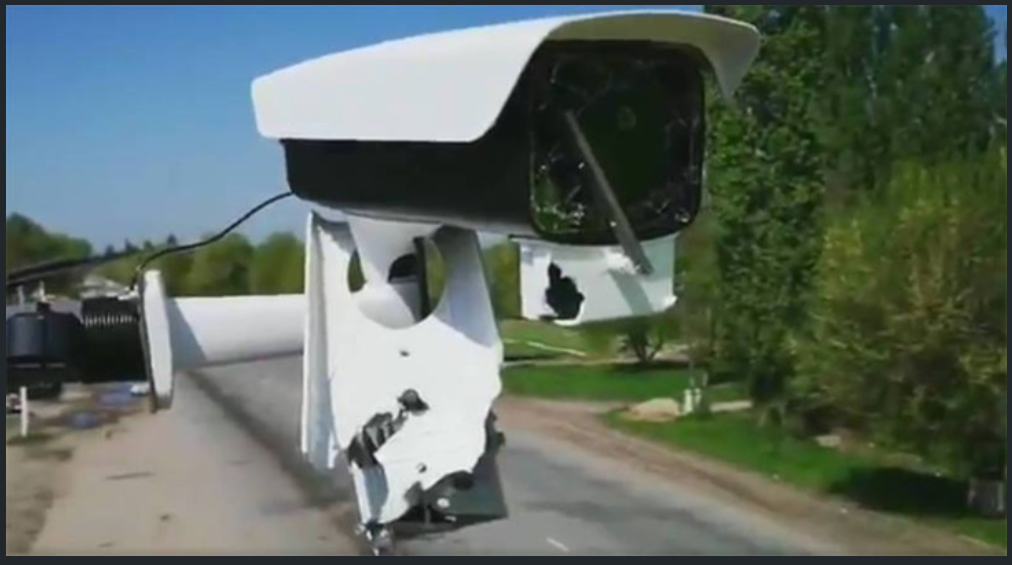
Camera damage/ overlap/ vandalism detection
-
Loud sound detection
The present guideline defines the overall requirements, including:
Video camera specifications
|
Specifications |
Value |
|---|---|
|
Matrix It is a key component of a camera that defines image quality. The value of this component reflects the size of the matrix diagonal in inches. |
|
|
Lens aperture ratio (light sensitivity) Plays a crucial role in overall image quality. Lens aperture – is the maximum light capacity of a lens, which determines how much light can pass through to the camera sensor. The F-number means the maximum size of the aperture. The smaller the F-number is, the more light the lens can gather. |
F1.4 and better (to ensure sharp and clear image capturing during nighttime). |
|
Focal length It is one of the key specifications that determines the camera field of view (vision angle), measured in millimeters. |
The focal length of the camera lens should correspond to the distance between the camera mounting placement and the anticipated control area to ensure the captured image quality. To calculate the required focal length, you may use Lens Calculator. |
|
Microphone |
A built-in camera microphone is required for the cameras used for the Loud sound detection analytics type. |
To define the required camera specifications, in addition to the list mentioned above, you may use Lens Calculator. On the opened service page, specify the matrix size, the focal length, the distance from the camera placement to the object of recognition, the mounting height, and so on. As a result, you’ll receive the relevant camera specifications required for the required Analytics type in the specified operating conditions, as well as the geometric placement of the camera (the mounting height and distance from the object of recognition).
Camera placement requirements
|
Parameter |
Value |
|---|---|
|
Mounting height |
Not higher than three meters, depends on the required angle of the camera view, image quality, and distance to the object to be detected.
|
|
Distance to the anticipated object of detection |
It depends on the required view angle and captured image quality. |
|
Maximum allowed vertical mounting angle |
45° |
|
Stable mounting |
Ensure the camera is free from vibration. |
|
Illumination |
150 lux and more, uniform illumination. |
Image requirements
The image should be clear and sharp for Zone intrusion detection and Camera damage/ overlap/ vandalism detection.
The algorithms of the Camera damage/ overlap/ vandalism detection Analytics type will be executed when significant changes in the camera feed take place.
Audio stream requirements
A sound stream from a camera should be clear. This requirement applies to the Loud sound detection Analytics type.